Understanding Modern Kids
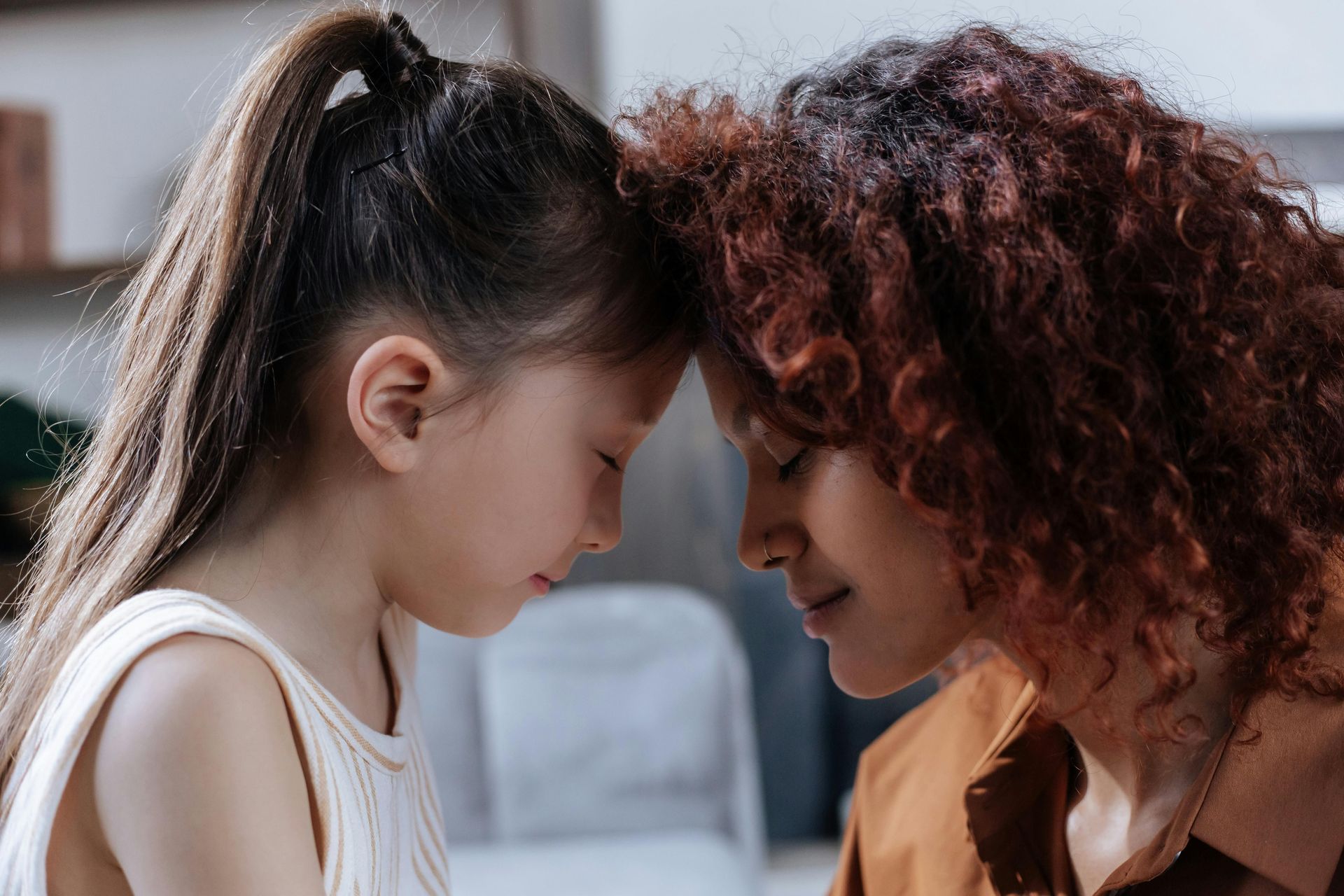
Almost every parent experiences this more than once. Your child changes, and suddenly, you feel like you no longer fully understand them. The toddler who melts down over the “wrong” cup. The once easygoing school-aged child who suddenly becomes more sensitive, withdrawn, or reactive. The teenager who pulls away just when you feel the strongest urge to protect them. And somewhere in those moments, most parents begin searching for explanations. “Something changed.” “Someone is influencing them.” “They’ve become difficult.” “Social media is ruining this generation.” As parents, we naturally try to make sense of behavior. We look for causes because uncertainty feels uncomfortable, especially when it involves someone we love so deeply. But many times, what changes first is not the child’s character. It is the child’s developing brain. One of the most important things I learned during my training with the Jai Institute for Parenting was that behavior cannot be fully understood outside the context of relationship, nervous system development, and emotional safety. That perspective stayed with me and eventually led me to dive even deeper into developmental neuroscience and brain development. Because once you begin to understand how the brain develops, it stops looking like defiance, manipulation, laziness, or attitude. The behavior begins to look like development. In the early years of life, especially between ages two and four, children experience emotions intensely while still lacking the neurological maturity to regulate them independently. The areas of the brain responsible for impulse control, emotional regulation, planning, and perspective taking are still under construction. In other words, young children often feel enormous emotions inside very small nervous systems. This is why a toddler can completely fall apart because their banana broke in half or because you gave them the “wrong” spoon. To the adult brain, the reaction may seem dramatic. To the child’s nervous system, however, the distress is real. This does not mean children should grow up without boundaries . It means that in moments of emotional flooding, connection and regulation often need to come before teaching. As Dr. Daniel Siegel often explains, an overwhelmed brain cannot effectively access logic, learning, or problem-solving. The nervous system must first return to a state of safety before true learning can happen. This is where co-regulation becomes incredibly important. Children borrow our nervous systems long before they can consistently regulate themselves. They learn emotional regulation through repeated relational experiences with calm, connected adults. Of course, this does not mean parents must remain perfectly calm all the time. Parents are human beings with limits, stress, exhaustion, responsibilities, and their own nervous systems. What matters most is not perfection but repair, awareness, and the overall emotional climate of the relationship. As children move into the school-age years, something else begins to happen. Around ages five to seven, the social brain expands significantly. Children become increasingly aware of how others see them. Acceptance, belonging, comparison, fairness, and peer relationships begin carrying much more emotional weight. This is often the age when parents say things like: “They suddenly became more sensitive.” “They take everything personally now.” “They worry more than before.” And they are usually right. At this stage, children are not simply reacting emotionally. They are beginning to build a deeper social identity. Their brains are becoming more aware of social evaluation and emotional meaning within relationships. Then comes a stage I personally believe is one of the most misunderstood of all: roughly ages eight to ten. Many parents expect things to stabilize by this point. Instead, some children become quieter, more introspective, more emotionally reactive, or seemingly disconnected. Others become easily bored, frustrated, or emotionally overwhelmed. And naturally, adults begin creating narratives around those changes. “They’re lazy.” “They’ve changed.” “They don’t care anymore.” But very often, what we are witnessing is neurological reorganization rather than deterioration. During this period, the brain begins a major process called synaptic pruning. Neural connections that are not frequently used begin to weaken, while frequently used pathways become stronger and more efficient. At the same time, children develop more complex emotional awareness, deeper thinking, and a richer internal world. Many children at this age begin asking bigger questions about themselves, relationships, fairness, identity, and belonging, even if they cannot fully articulate those thoughts yet. Sometimes what adults interpret as withdrawal is actually cognitive and emotional expansion happening internally. And then adolescence arrives, perhaps the stage that activates the most fear in parents. Teenagers begin separating psychologically from their parents as part of healthy development. Their need for autonomy increases while the emotional and reward systems of the brain become highly sensitive. Peer relationships become deeply important, emotions intensify, and risk-taking often increases. To many parents, this can feel frightening or even personal. But adolescence is not a broken relationship. It is a developmental transition. Teenagers still need boundaries, guidance, and emotional safety. Perhaps more than ever. But they also need space to develop identity, autonomy, and a sense of self outside the parent-child dynamic. And maybe this is one of the biggest challenges of parenting today: learning how to remain emotionally available without trying to control every stage of development out of fear. Modern parenting often places enormous pressure on parents to react perfectly at every moment. But children do not need perfect parents. They need regulated enough adults who are willing to stay curious about what behavior may actually be communicating. Because many times, children are not trying to give us a hard time. They are trying to organize a developing brain and nervous system inside a very overstimulating world. And perhaps the question we need to ask more often is not “How do I stop this behavior?” , but “What might this developing brain be trying to communicate through it?”

Discover why the mental load of modern parenting feels so heavy and how conscious, values-led parenting can ease burnout, build connection, and transform family life.
Discover Jai’s parent coaching methodology: the science-backed pillars, coaching tools, and unique parent-centric approach that transforms families beyond education or therapy.

Discover the lasting effects of educational trauma from undiagnosed dyslexia into adulthood. Through a Jai coach's client story, learn how peaceful parenting breaks generational cycles.
Learn how different parenting styles impact child development and how parent coaching can help you cultivate a supportive, nurturing approach.

Discover why traditional punishment harms children and learn gentle alternatives like natural consequences, emotion coaching, and connection-based discipline.

Explore the challenges parents face with nervous system dysregulation and gain actionable advice on self-regulation and fostering a calm family environment.

Explore how teaching Nonviolent communication equips children with emotional intelligence, empathy, and self-awareness.

Parenting teens doesn’t have to be hard. Discover how connection, safety, and emotional presence can transform your relationship during the teen years.

Discover practical ways to help children understand and manage their nervous system for better emotional well-being.
Learn how to handle lying in toddlers with age-appropriate consequences. Understand why young children lie and gentle approaches to teach honesty.

Discover how different parenting styles affect child development and which parenting approach best supports emotional intelligence and resilience.
Discover effective ways to address lying in elementary-aged children. Explore age-appropriate consequences that teach responsibility and honesty.

Discover how to respond when your teen lies—without shame or punishment. Learn to rebuild trust through connection, empathy, and meaningful consequences.
Learn strategies to address lying in preteens with natural consequences that build trust and accountability. Teach honesty through meaningful conversations.

Discover the cognitive and emotional science behind why children lie and learn effective techniques to encourage truthful communication.
Discover how earning a family coaching certification helps parents develop skills to foster deeper connections, reduce stress, and create a thriving home environment.

Discover how parent coaching provides tools and strategies to help parents raise resilient and self-assured children.

Learn how your nervous system impacts parenting and discover techniques to stay calm and connected with your child.

Discover how Nonviolent communication enhances your parenting, improves family dynamics, and reduces conflict.

Unsure which parenting style works best for your child? Learn how parent coaching can help you adapt and refine your approach to support your child’s growth.

Explore the journey from reactive, control-based parenting to intentional, effective, empowered parenting. Learn how to transform old patterns, embrace growth, and create a vision for nurturing your child's unique self. Discover the power of love, presence, and non-violent communication in positive parenting.

Understand the psychological reasons behind why children lie and learn strategies for fostering honesty and trust in your family relationships.

Discover why peaceful parenting isn't permissive but can actually be more demanding. Replace punishments with communication while maintaining boundaries to raise confident, emotionally intelligent children.

Empathy and repair aren’t just parenting tools—they’re life tools for growth, connection, and healing. Learn how they transform parenting and self-awareness.

Learn how to create a safe, dedicated play space that reduces parent-child power struggles and promotes independent exploration—transforming "no" moments into opportunities for growth and learning.

Discover specific steps to transform your parenting journey with self-growth, compassion, and actionable tools to foster patience and deeper connection.

A simple shift in how we communicate with teens can transform our relationships. Discover a powerful approach that fosters respect, trust, and deeper connection at home.
Learn how to navigate parenting challenges with emotional regulation, coregulation, and practical tools to foster connection, growth, and resilience.

Learn about the four superpowers of empowered parenting and how they can help you foster a stronger bond with yourself and your children.

Learn practical strategies and research-backed tips for video games and social media to manage your child's digital wellness from parenting coach Meghan Brand-Stauf.
Discover how your parenting style shapes your child's growth. Explore strategies to evolve your approach and embrace the journey to becoming an Empowered Parent.

Learn how to replace traditional punishments with natural and logical consequences in parenting, building stronger connections with your children while teaching responsibility.

Explore the four stages of parenting and learn how to set effective boundaries for teenagers and adjust your role from caretaker to mentor as your children grow.

Motherhood requires a great deal of focus and effort that is selfless in nature. Developing strategies to have a clear sense of motherhood identity and maintain a sense of self is crucial.

Learn how to respond when your child's behavior suddenly changes. A parent's true story reveals practical steps to understand triggers, support your child, and restore peace at home.

Discover how to set effective boundaries and implement logical consequences without punishment. Learn age-appropriate parenting strategies that balance firm limits with emotional connection and positive discipline techniques.

Discover storytelling and humor and connect with your children. Learn the science behind powerful parenting tools to build empathy and resilience. Embrace empowered parenting and moments of connection.

Get to understand the power of attachments, how they affect us and our parenting, and how to nurture your relationship with your child and foster a secure attachment.

Discover how to navigate motherhood without maternal support. Learn key steps for reparenting yourself. Heal childhood wounds and create a fulfilling life for you and your family.

Transform your parenting through self-awareness. Learn how the Jai Method breaks reactive patterns, builds emotional intelligence, and creates lasting family connections. Start here.

A therapist's raw journey from attachment trauma to transformative parenting: discover how one mental health professional overcame her struggles to create Cycle Breaking Mom, helping parents heal generational trauma through coaching and community support

The teen years are crucial for development but are often misunderstood and negatively portrayed. Embracing these years can lead to a more positive experience for both parents and teens. Understanding teen brain shifts will empower parents to best support their teens during this transition into adulthood.

Discover insights from U.S. Surgeon General Vivek Murthy's advisory on parental stress. Learn strategies for finding balance and resilience in modern-day parenting.

Discover how the Five Pillars of Empowered Parenting are empowering teachers to improve communication, foster emotional intelligence, and create a harmonious classroom without punishment.

Discover the effects of yelling at a child and understand more about why we as parents feel stuck with yelling, how it impacts our relationship with our children, and how to move towards a more empowered relationship with them.

Health professor Siah Fried shares her personal wake-up call when her high-achieving daughter expressed overwhelming stress. Learn valuable parenting lessons on redefining success, prioritizing mental health, and using tools like ANCHOR and HARBOR to support children through challenges. Discover the importance of parental self-care and the power of showing up for your kids.

Explore Empowered Parenting, a transformative approach that shifts from fear-based control to connection and curiosity. With insights from the Jai Institute, learn how to foster emotional intelligence and build respectful, collaborative family relationships.
Struggling with kids who won't listen? Learn practical, empowered parenting strategies to get kids to listen, improve communication, reduce frustration, and strengthen your relationship with them. Transform defiance into cooperation today!

Explore the effects of helicopter parenting on youth and learn strategies to support children's growth through natural consequences. Discover the Jai Institute’s frameworks, ANCHOR and HARBOR, which highlight how to become a safe harbor for your child, fostering resilience and independence while maintaining a supportive presence without the need to micromanage your children.

Read Stories of Parent Coaching in the Real World

Discover how Jaclyn Carlson transitioned from corporate burnout to meaningful work as a parenting coach, and why more mothers are turning to parent coaching for purpose, flexibility, and emotional impact.

Struggling to connect with your child? Learn how the Head, Heart & Hands framework can transform communication and build lasting trust and cooperation.

Explore Lisa Krug's transformation from HR professional to influential parenting coach. Discover how she built The Intentional Path, blending personal growth with professional success to help families thrive through empowered parenting.

Discover Danielle Ridgway's journey from corporate mentor to thriving parenting coach. Learn how she transformed her relationships and built a fulfilling career by combining natural coaching abilities with a passion for helping families.

Discover Dr. Calvina's journey from academic to parenting expert. Learn how she blends research with real-world experience at Ellerbe Essentials, empowering parents to foster confident, resilient children through coaching and education.
Discover Erica Kesilman's journey from educator to parenting coach. Learn how she combines conscious parenting, somatic therapies, and neuroscience to transform family dynamics and foster deep connections.
Discover Jaclyn Carlson's journey from digital marketing to empowering parent coach. Learn how she helps mothers navigate parenting challenges, blending intuition with evidence-based strategies to create lasting impact.

Discover how Jessica Hausknecht, a Boca Raton parenting coach, blends coaching with yoga to help families thrive. Learn about her successful journey, innovative strategies, and vision for transforming parent-child relationships.

Discover how Katie Ramirez, a dedicated parenting coach in Ventura, CA, transformed her life and helps families connect through her coaching business. Learn about her journey, methods, and vision for stronger families.

Discover how Maria Amtmann Chavez transformed her parenting challenges into a successful coaching career with Capuyo Parenting. Learn about conscious parenting, overcoming imposter syndrome, and building a thriving business that helps families connect. Get inspired by Maria's journey and expert advice for aspiring coaches.

Discover the inspiring journey of Dr. Catherine Kizana, an emergency physician turned parenting coach. From battling postnatal anxiety to transforming parenting approaches with her ABC Parenting framework, Dr. Kizana's story is one of resilience and dedication to improving family dynamics. Learn how her medical expertise and holistic methods are making a profound impact on parents and their children.

Discover Jeri-Ashley DeLeon Bremer's inspiring transformation from educator to parenting coach and founder of the Mindfulness Co. Learn how Jeri-Ashley’s journey, influenced by the Jai Institute for Parenting, enhances family dynamics, empowers mothers, and promotes holistic child development. Explore her dedication to creating compassionate, connected communities through parent coaching and curriculum development.

Discover Rachel's inspiring journey from Business Coach to Parenting Coach and founder of House of Joy. Learn how her personal transformation through motherhood led to the creation of a thriving online community, helping parents achieve success both at home and in their personal ambitions.

Navigate family tragedy with resilience and hope. A parent and parent coaching expert shares personal insights, practical strategies, and emotional support to guide families through trauma, fostering healing, connection, and growth.

Embark on Tamara Young's inspiring journey from self-doubt to thriving parenting coach. Discover the transformative power of authenticity and dedication in making a meaningful impact on families.

Discover the diverse journeys of parenting coaches at The Jai Institute for Parenting. From corporate careers to impactful transformations, learn how they empower families and redefine parenting.

Explore Jason's remarkable journey from theology, to a jewelry business, and finally to parenting coach. Discover how he found his passion for helping families thrive.

Discover the inspiring journey of Tricia Biel-Goebel, an occupational therapist turned parenting coach, as she empowers parents to support their children's growth effectively and bridges the gap between therapy and home.

Discover the inspiring journey of Dr. Priscilla LaCroix, a pediatrician turned parenting coach, as she empowers parents with tools to build strong connections and foster thriving relationships with their children.

Discover how a pediatrician's journey at The Jai Institute for Parenting transformed their practice and personal life, inspiring them to become a parenting coach and revolutionize their approach to patient care.

Discover how medical professionals are transforming the landscape of pediatric care by becoming parenting coaches. These practitioners revolutionize healthcare for families worldwide by bridging the gaps in pediatrics, fostering trust, and offering holistic support.

Discover how Abe Antine, a trauma-informed therapist, supports families in creating healthier, more connected relationships. Hear as he shares his personal journey of how his previous knowledge of attachment theory combined with his recent undergoing of the Jai Parent Coach Certification Program has transformed his parenting and how he supports parents in his career

Discover how Jessica Bennett's personal and professional journey led her to become a parenting coach, offering actionable guidance and support to empower parents in overcoming challenges and breaking cycles of generational trauma.

From her long-lasting passion for the role of the family system in creating lasting change, child play therapist Melissa Griffing incorporates parent coaching into her therapy practice. Discover the transformative power of empowering parents and the intersection of coaching and therapy in shaping thriving families.

Discover why therapists are transitioning into parenting coaches to provide crucial support to parents and create lasting positive changes in families. Explore the insights of therapists-turned-coaches as they share the impact on their careers and personal lives.

Join Shaella Freeman on her transformative journey from educator to Jai Certified Parenting Coach as she bridges the gap between teachers and parents with her empowering parent coaching tools

Follow Stephanie Sumner's transformative journey as a principal who becomes a Jai Certified Parenting Coach, addressing the growing need for parental support in education.

Discover the inspiring journey of Marissa Goldenstein, co-founder of InWonder Academy, as she breaks down how her passion for education led her to become a Jai Certified Parenting Coach.

Discover the growing trend of educators becoming parenting coaches. Hear from experienced educators as they share their motivation and the impact on their careers and personal lives.

When all the parenting books and blogs failed her, this mom turned to the Jai Institute to help her family. Generational parenting patterns, guilt and confusion was effecting the entire family. Now, Jessica not only enjoys her girls, but has the pleasure of earning a living by helping other parents create a peaceful family environment.

Anger is there to send us a message. It's there to tell us something is not right. Yes, anger is important. But that is no excuse to yell at our kids, or anyone for that matter...

So often as parents, our greatest fears hold us back and keep us disconnected from experiencing, creating and embodying our deepest longings for ourselves and our children. There is a both/and here. Yes, fear can hold us back, and all fears are valid. Fully feeling them builds the bridge to trust and creation.

Back in April 2020, my wings were tangled. Schools shut down, I couldn’t work, and my son struggled with the changes. As a single mom, my wings were tangled, and I felt I might drown. Then I found the Jai Institute for Parenting. After watching a few videos of how the program worked and following Rebecca Lyddon, Director of Education, on social media, I knew I had found a solution.

Almost every mother experiences anger. Almost every mother acts on feeling angry during challenging moments. Many mothers experience it deeply as yelling, screaming, adult tantrums and even through enacting corporeal punishment. Yet, not many mothers talk about mother rage or what you can do about it. I want to shine the light on this very common experience within motherhood. ...

Change is never easy, even if that change is a step in the direction of what we know we’re meant for. Whether it’s a transition to a new lifestyle, or a new career – there can be doubts, fears or resistance around a huge life decision. This story is about Michelle Landau, passionate mom and parenting coach who took three years to take the leap...

Cherry used to struggle with her autistic child who acted out and caused disruption in the home, until she came across the Jai Institute for Parenting and began taking the Parent Coach Certification Program. In just a few weeks, Cherry’s relationship with her child has changed immensely.
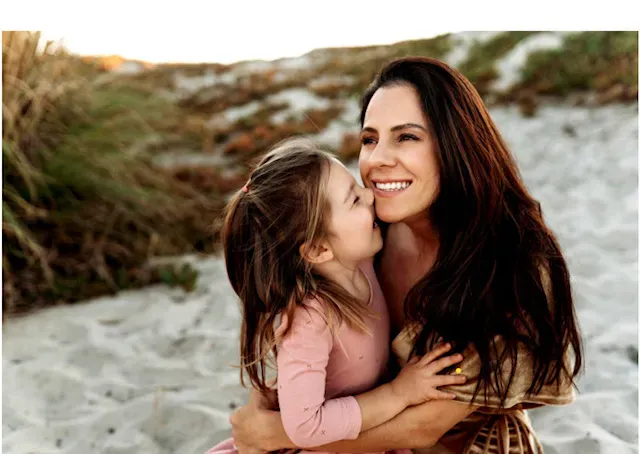
Mariana Lelo, a Jai Certified Parenting Coach, began her journey into peaceful parenting because she knew in her heart that there had to be an alternative to repeating the patterns of parenting that she had experienced and wished to let go of.

When Jai Certified Parenting Coach Lelia Schott wanted to heal her and her children’s hearts, her quest led her to become a certified parenting coach at the Jai Institute, and she hasn’t looked back since. Despite starting out with a power-over parenting style, Lelia always knew in her heart that there must be another, more gentle way to parent her children.

Fiona has been running her parent coaching business, Happy Me Parenting, for the last two years. After one call that changed her life and her business, Fiona is now working with Ferne McCann from UK’s reality TV show First Time Mum, and in just one session left Ferne feeling hopeful in creating a new dynamic with her daughter.

When Lisa Smith had her own child, the dreaded parenting patterns that she swore she wouldn’t bring into her own home, came up out of nowhere. Then she discovered empowered peaceful parenting that changed her whole life.
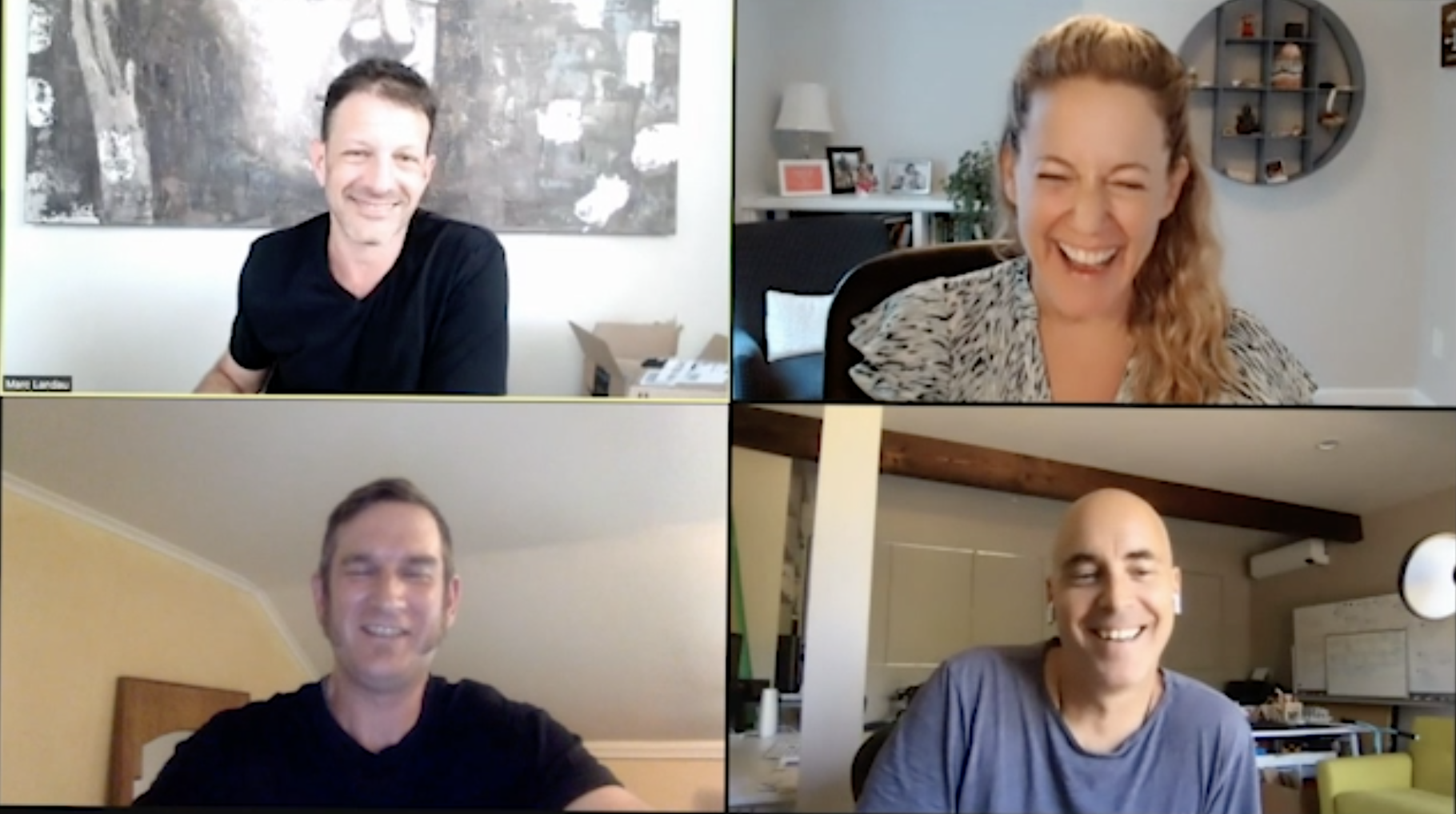
An ode to the DADS.... I had the incredible and rare opportunity to host a roundtable conversation with three extraordinary men who are currently enrolled in our Parenting Coach program. Marc, Ian, and Roman each have a deep passion for how to be the best dads they can be. In all of their experiences of parenthood, they’ve come to realize that not only must there be a better way to parent, but there must also be a way to help guide and support other parents through that journey. Ok! Let’s meet the dads….

Kim Muench, Jai Certified Parent Coach and founder of Real Life Parenting Guide, started her journey towards parent coaching and peaceful parenting all with just one phone call.
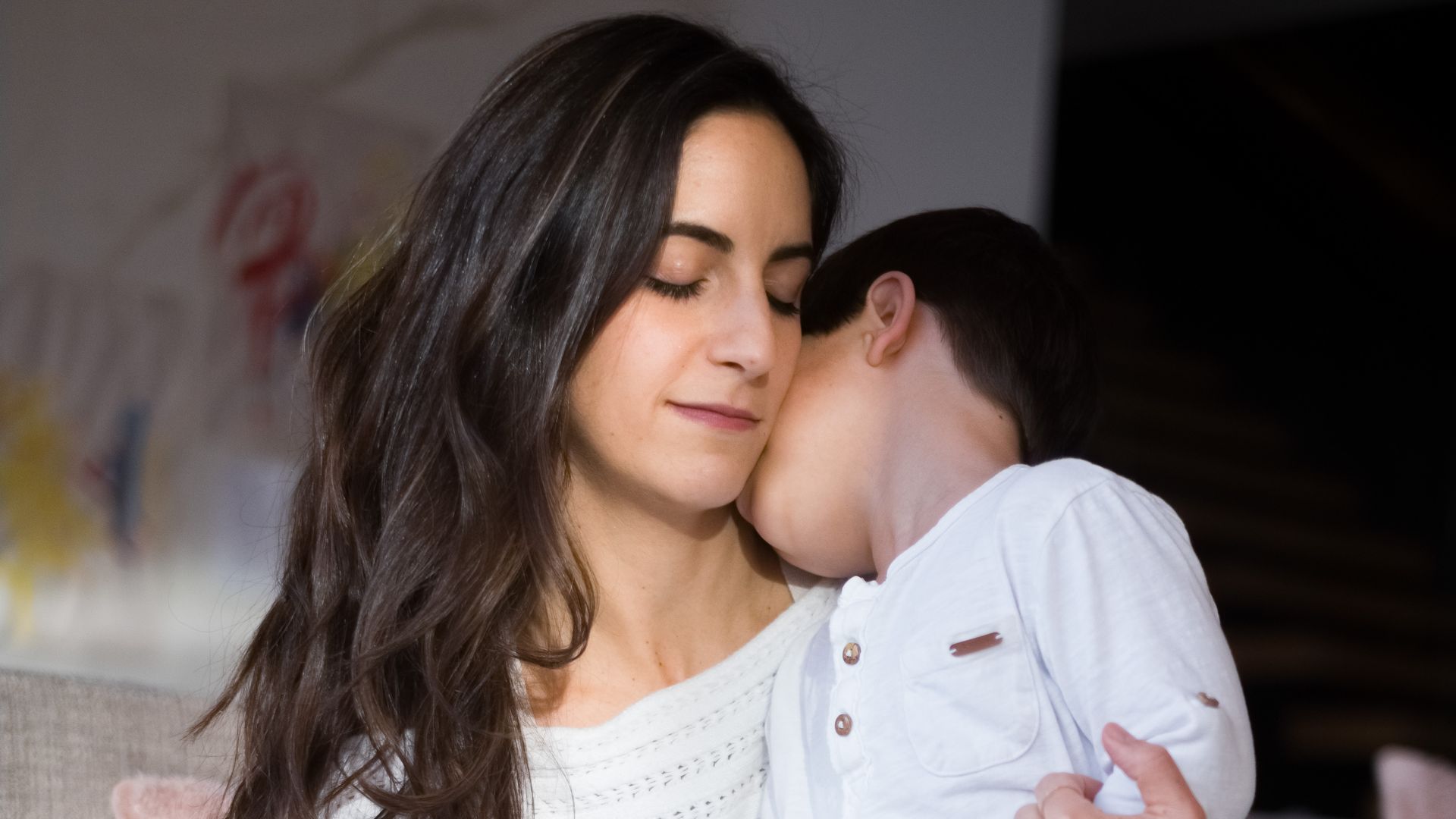
When my son was born, I felt an incomparable joy, and at the same time, a deeply rooted fear. For someone who likes to be in control and desired to be a mother so badly and do everything right, motherhood came to me like a shock. Starting from my birth plan, which did not go as planned, everything that followed felt overwhelming, frightening, and almost violent at times. I loved this boy more than anything in the world, and I wanted to be the perfect mother to him. However...
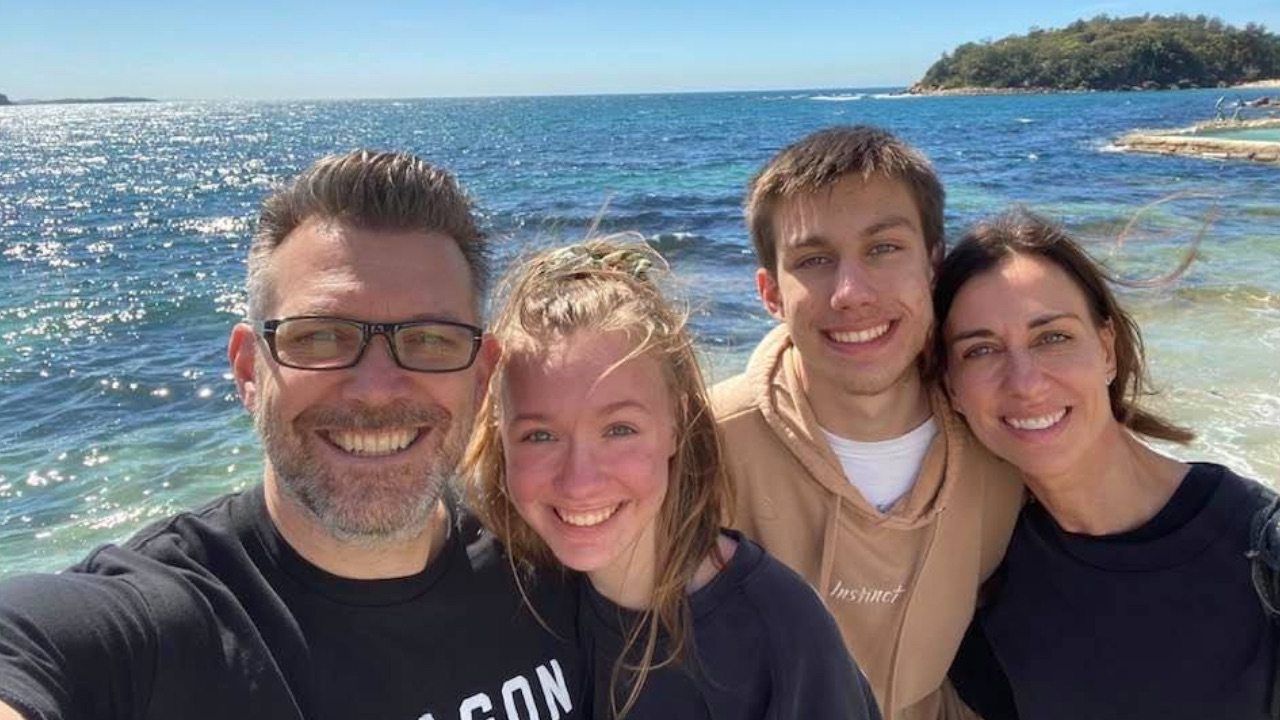
Learn about parenting without punishment and discover how to discipline a child without hitting and build a strong relationship with them.

Désirée saw such radical changes in her relationship with her children after taking Jai’s parent coaching program that she knew she couldn’t stop there. Now years into her coaching business, she supports other parents of teens who are struggling the way she was.

Some words from one of our trainees as he reflects on his experience... Jayanta Chakraborti lives in Kolkata, India… His words moved me so deeply, that I asked permission to share them with you. This is the exact shift that has me leap out of bed each morning to activate my intention of training thousands Jai Parenting coaches over the coming years…

Learn about Jai certified parenting coach Lisa Smith, what inspired her to start the coach training program and the impact it's had in her life.
Meet Jai certified parenting coaches Crystal & Rae Stampley and find out how they are joining forces as a couple to bring their powerful work out into the world!
Meet Jai Certified Parent Coach, Dr. Tiffanie Noonan and learn how she ended up finding herself & creating a whole new life as a Parenting Coach.

Meet Jai certified parenting coach Niurka Maldonado and learn what inspired her to start the coach training program & the impact it's had in her life.
Browse ALL Categories: