When Kindness and Firmness Stop Taking Turns
So often, we start with patience. We listen, explain, and give a little more time. Then we hit our limit and snap. Afterward, we feel guilty, so next time we give a little more.
Giving in, then clamping down. It can become a predictably uncomfortable cycle.
It shows up with toddlers at the playground, teenagers at curfew, students in a classroom, and even partners, colleagues, and clients. We treat kindness and firmness as separate options, trying one and then switching to the other.
But we can look for a way forward that respects everyone’s needs. No one has to “lose” for things to get done.
An Invitation into Connection
Make the plan together.
Choose one recurring struggle and talk about it when everyone is calm. Start with what matters to each of you:
“Leaving the playground has been hard lately. You want more time to play, and I want us home in time for dinner. What could help?”
Listen before offering a solution, be open to the idea that kids are more likely to follow through on their own (often truly creative and helpful) ideas, then make a plan together. Then, in the moment, come back to it:
“You’re wishing we could stay. We agreed on one last slide. Want to walk together or race me to the gate?”
The same approach works with a teenager, a student, or a colleague: get curious, get clear, and find a way forward together. (Granted, the teen’s situation might be different from going down a slide, but the collaborative approach still applies!)
WHY IT WORKS
When we explore everyone’s needs, we can understand more of what’s making a situation difficult.
A child who helps shape a plan has a chance to contribute to the agreement and practice problem-solving. The adult can communicate their needs before frustration takes over.
An agreement won’t remove every difficult feeling. You can offer support in the moment and revisit the plan later if it needs adjusting.
Collaboration gives you something to return to together, rather than another argument to repeat.
THROUGH THE COACHING LENS
When adults and children keep getting stuck in the same conflict, the issue usually isn’t “listening.” It might be an old belief that children should obey without question, a dynamic a parent is repeating from childhood, or stress from feeling unseen that spills over onto the people closest to them.
As a coach, we can invite curiosity:
- What happens in you when someone disagrees?
- Whose needs are getting overlooked?
- What could you explore together before this becomes a conflict again?
These questions can help the adult move from “How do I get them to listen?” toward “What do we need to understand about each other?”
Now you can help them explore what each person needs and where they can problem-solve together. Real relational growth happens from that place.
And once you experience that progression, you’ll already have a front-row seat to the benefits of showing up in this way. You’ll feel the difference, and it’s highly unlikely that you’ll ever want to turn back. And from that place comes advocacy, where you can move from your own growth to supporting others. This is at the heart of our
Parenting Coach Certification: Rooted in Relational Leadership.

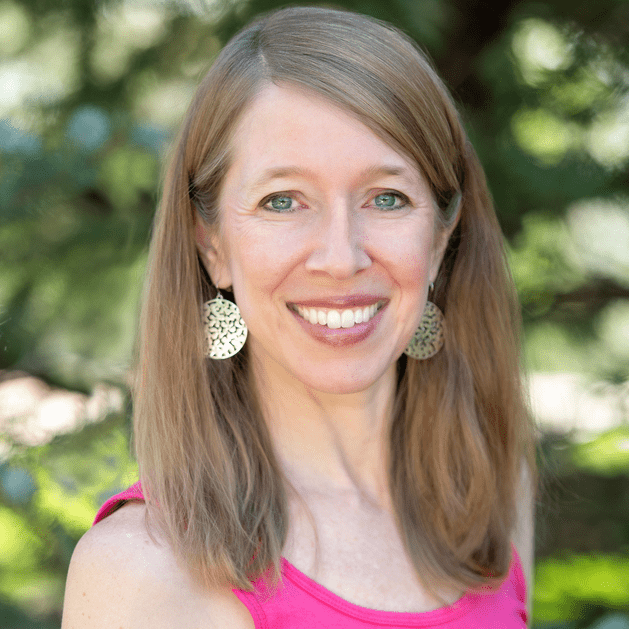
Meet Your Author and Jai CEO:
Sarah R. Moore
Sarah R. Moore is the CEO of the Jai Institute for Parenting, author of
Peaceful Discipline: Story Teaching, Brain Science & Better Behavior, and founder and CEO of
Dandelion Seeds Positive Parenting. A certified Jai Master Trainer, public speaker, and Board Chair for the American Society for the Positive Care of Children, she supports parents and caregivers around the globe. Drawing on training in child development, trauma recovery, interpersonal neurobiology, improv comedy, and play, Sarah brings science and warmth to helping parents build strong relationships and lead with connection, empathy, and clarity. Above all, she’s a Mama. Follow her directly on
Instagram,
Facebook,
YouTube,
TikTok,
Pinterest
&
Threads.






Share This Article:
Curious for more?
Jai Parent Coach Certification
PROGRAM DETAILS >>
Free Resource Center
FREE RESOURCES >>