

The Moment a Parent Whispered, “I Think I Broke My Child”
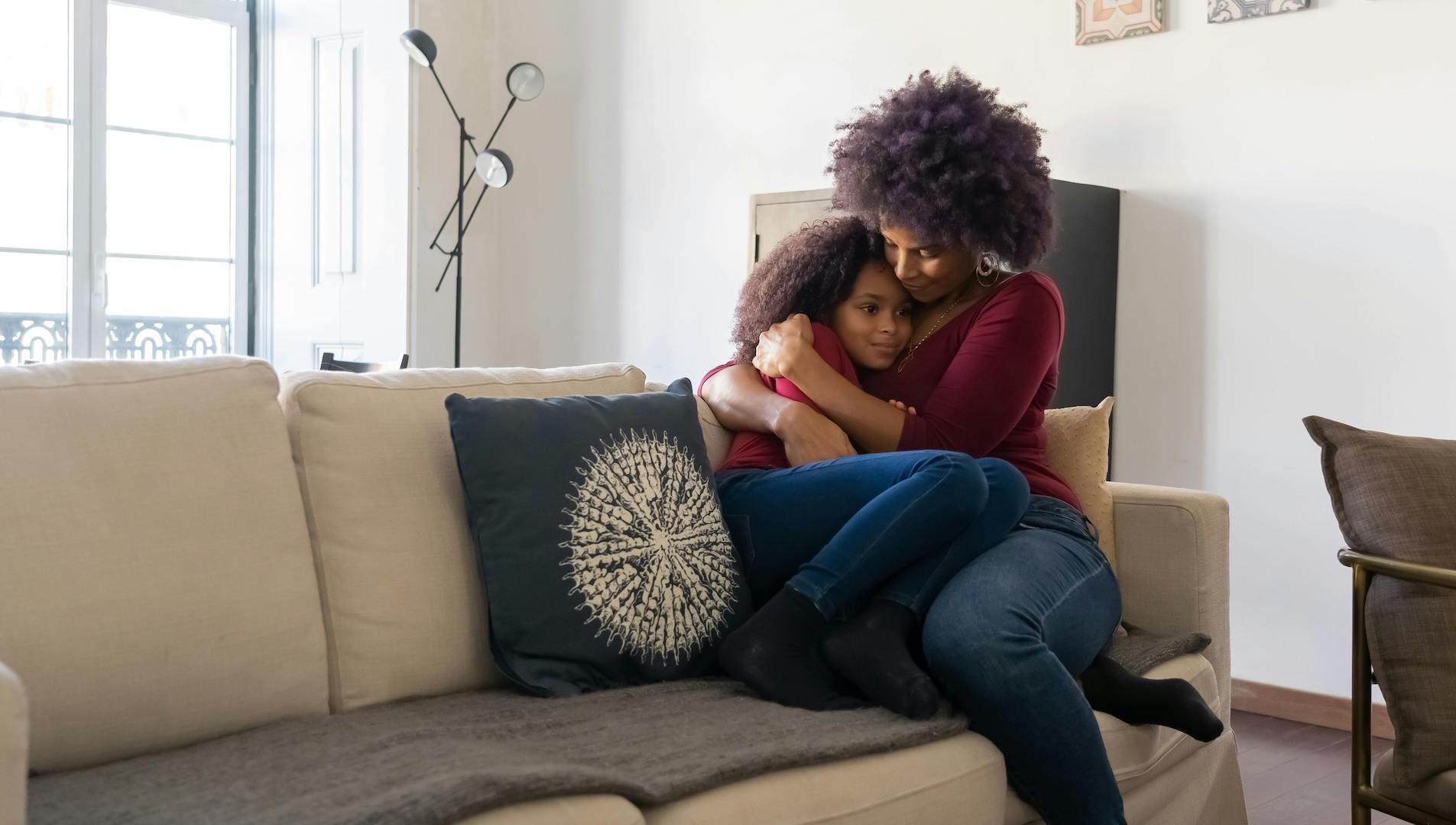
Some of the most vulnerable moments in parenting are not the ones happening in front of our children. They are the quiet moments afterward, when the house is still and the words we wish we could take back echo in our minds. It is often in those moments that a heavy question settles in a parent’s chest.
Did I just damage my child?
Parents rarely say this fear out loud, but it lives quietly beneath many of the hardest parenting moments.
One afternoon, a parent sat across from me, her voice quiet and almost apologetic. She told me she had yelled that morning, and not just a small raised voice but a big reaction that came out fast and hard. After a long pause, she looked down and said something many parents think but are afraid to say.
“I think I broke my child.”
Over the years, I have heard many versions of that sentence. Sometimes it follows a chaotic morning before school. Sometimes it comes after bedtime spirals out of control. Other times, it follows weeks of exhaustion, work stress, and a child who seems to push every emotional button a parent has. The details may change, but the emotion underneath is almost always the same.
Shame.
Parents often arrive believing that one moment of dysregulation defines who they are. They replay the scene in their mind, the raised voice, the harsh words, the look on their child’s face. Somewhere inside, they quietly decide that good parents would not do this.
That belief can be incredibly painful.
The Weight Parents Carry
Parents today are navigating enormous pressure. We are told to be patient, calm, emotionally aware, endlessly present, and deeply attuned to our children. At the same time, we are managing careers, households, relationships, finances, and the constant noise of modern life.
Many parents are also trying to parent differently from how they were raised. They want to break cycles. They want to do better.
That desire to do better is beautiful. It reflects deep love and commitment. Yet it can also create an impossible standard.
When a parent loses their temper, even briefly, the internal voice of judgment can be relentless. Thoughts begin to spiral. I should know better. I teach my child to regulate. What kind of example am I setting?
The parent sitting across from me that afternoon was carrying all of those thoughts. She described a morning that slowly unraveled. Her child had been moving slowly, shoes forgotten, backpack missing, and emotions rising over something as small as the wrong breakfast. As the clock ticked forward, her stress built quietly in the background.
By the time they reached the car, the pressure finally spilled over. She yelled, scolding and blaming, directing frustration toward a small child who was already overwhelmed. The moment the harsh words left her mouth, she wished she could take them back.
The First Step Is Always the Same
When parents share stories like this, my first response is never correction. It is regulation. Before we can examine what happened, we have to calm the nervous system that is reliving the moment.
Parents are human nervous systems raising other human nervous systems. Sometimes, both systems become overwhelmed at the same time. When that happens, reactions often come faster than reflection.
The parent across from me expected judgment. Instead, I told her something I have said many times before.
“Your child did not break today. And neither did you.”
Her shoulders softened slightly as the tension in her body began to settle.
The Initial Reaction
Parents often believe they should immediately analyze what went wrong. They begin looking for the mistake, the strategy they should have used, or the response they wish they had delivered instead. Yet the Jai approach invites something different first.
Compassion.
When adults experience shame after parenting mistakes, the instinct is often self-criticism. Research by psychologist Dr. Kristin Neff shows that harsh self-judgment actually increases stress and reduces our ability to respond constructively. In other words, beating ourselves up does not make us better parents.
It makes regulation harder.
Before we explored the morning together, I asked her a different question. I asked what had been happening inside her before the yelling started.
At first, she looked surprised. Slowly, the story began to unfold. She had been up late working the night before. The morning had already started behind schedule. Her younger child had woken several times during the night. By the time breakfast became a struggle, her nervous system was already stretched thin.
The yelling, we realized, was not the beginning of the story.
It was the final moment of stress spilling over.
The Self Coaching Shift
One of the most powerful aspects of the Jai coaching framework is learning how to pause between reaction and response. When we slow down long enough to examine what is happening internally, parenting moments begin to look different.
That morning was not simply a child misbehaving.
It was two nervous systems colliding under pressure.
Developmental neuroscience helps explain why these moments feel so intense.
Psychiatrist Dr. Dan Siegel describes how, during emotional overwhelm, the brain can temporarily lose access to its higher thinking centers, something he calls “flipping the lid.” When this happens, reasoning and problem-solving become difficult until the nervous system settles again.
Dr. Bruce Perry’s work on brain development adds another layer to this understanding. His research shows that when the brain perceives threat or overwhelm, it shifts into survival mode. In those moments, connection and safety must come before logic because the brain literally cannot process reasoning until it feels regulated.
Understanding this changes the narrative. Instead of asking why we failed, we begin asking what support our nervous system needed in that moment.
In Jai’s work, this is where self-reflection begins. Instead of staying trapped in shame or blame, we become curious about what happened inside us. We slow down long enough to notice our own overwhelm, our own stress, and the story we began telling ourselves in that moment.
That awareness does not erase the mistake, but it changes how we move forward. It opens the door to compassion, reflection, and repair.
As we talked, the parent began to see the situation with more compassion. Her child had not been trying to ruin the morning. Her child had simply been overwhelmed.
And so had she.
Repair Is the Hidden Superpower
The most important part of this story came next. Because the truth about parenting is this. Strong relationships are not built through perfection. They are built through repair.
I asked her if she had spoken with her child after the morning incident. She nodded and told me she had apologized. She explained to her child that she should not have yelled and that the morning had been hard for her, too.
Then she smiled slightly.
“He hugged me.”
Repair does not weaken the relationship. It strengthens it.
Research in developmental psychology consistently shows that secure relationships are built through repeated cycles of rupture and repair. When a parent acknowledges a mistake and reconnects with their child, the child learns something powerful about relationships.
They learn that mistakes can be owned.
They learn that emotions can be repaired.
They learn that connection can return.
These are lifelong emotional skills.
The Work of Healing Parenting
By the end of our conversation, the parent who believed she had broken something began to see a different picture. She had experienced a hard moment, reflected on what happened, repaired the relationship, and learned something important about herself.
That is not failure.
That is growth.
Healing parenting is not about eliminating mistakes. It is about increasing awareness. When parents begin to understand their own nervous systems, practice self-compassion, and recognize the power of repair, even painful moments can become opportunities for deeper connection.
Dr. Bruce Perry reminds us that the brain is shaped through repeated experiences of safety and relationship. Children do not need perfect parents. They need regulated adults who return, reconnect, and repair.
The parent who whispered, “I think I broke my child,” left our conversation with a different understanding. She had not broken anything. She had simply experienced one of the most human parts of parenting.
And she had already taken the most important step. She was willing to look at herself with honesty, compassion, and curiosity.
In the world of healing parenting, that willingness to pause, reflect, and reconnect is where real change begins.

Meet Your Author, Dr. Deborah Zupito
Dr. Deborah “Deb” Zupito is a Jai Parenting Master Coach, early childhood educator, and founder of Treehouse Minds. She is the owner and Executive Director of Little Learning Academy, a high-quality private preschool she has led for 18 years. Through her coaching and writing, she helps parents build calmer, more connected relationships by understanding children’s behavior through neuroscience and emotional development.







Share This Article:

Curious for more?

Jai Parent Coach Certification
PROGRAM DETAILS >>
Free Resource Center
FREE RESOURCES >>